Chor Bazaar Mumbai: Complete Antique Market Guide 2025
Discover Mumbai's legendary Chor Bazaar, the city's most famous antique market where history comes alive through vintage treasures and Bollywood memorabilia. Located on the historic Mutton Street in South Mumbai, this 150-year-old "Thieves Market" offers an authentic glimpse into India's rich cultural heritage and remains one of the world's largest flea markets.
What is Chor Bazaar Mumbai?
Chor Bazaar (pronounced "chore ba-zaar") literally translates to "Thieves Market" in Hindi, though its origins tell a more complex story. Originally called Shor Bazaar meaning "Noisy Market," the name evolved when British colonial officers mispronounced the local term. Over time, as the market became known for trading second-hand and occasionally stolen goods, the name "Chor Bazaar" stuck and became part of Mumbai's cultural identity.
Today, this sprawling antique wonderland spans across narrow lanes and bustling alleys, offering everything from ornate Victorian furniture and vintage cameras to rare Bollywood posters and traditional Indian artifacts. The market serves as a living museum where every item tells a story of Mumbai's cosmopolitan past.
Location and How to Reach Chor Bazaar
Address: Mutton Street, Kumbharwada, Mumbai, Maharashtra 400003
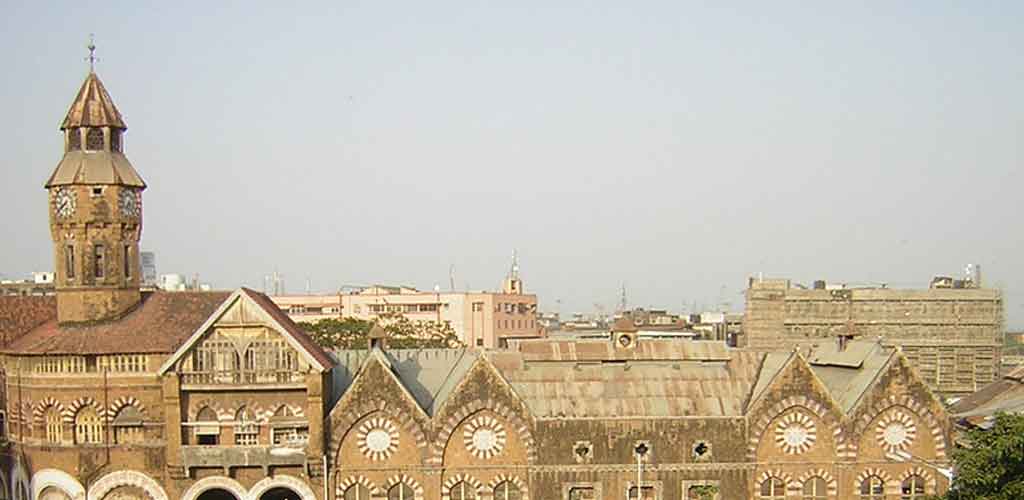
Chor Bazaar is strategically located in South Mumbai, making it easily accessible from major tourist attractions. The market is situated near the famous Crawford Market, creating a perfect shopping circuit for visitors interested in Mumbai's historic markets.
Nearest Railway Station: Chhatrapati Shivaji Maharaj Terminus (CST) - approximately 10 minutes walk
Nearest Metro Station: CST Metro Station
By Taxi/Auto-rickshaw: Ask to be dropped at "Mutton Street, Chor Bazaar" near Mohammed Ali Road
Landmark: Look for Cafe Paradise in the red building on Mohammed Ali Road - Mutton Street begins right across from this landmark, making it easy to locate even for first-time visitors.
Chor Bazaar Hours and Best Time to Visit
Opening Hours:
Monday to Thursday: 11:00 AM - 7:30 PM
Saturday and Sunday: 11:00 AM - 7:30 PM
Friday: Closed (for Jumu'ah prayers)
Best Time to Visit: October through March offers the most comfortable weather for exploring the open-air market. Visit during morning hours (11:00 AM - 1:00 PM) for the best selection and cooler temperatures. The market becomes particularly vibrant on weekends, though it's also more crowded during these times.
What to Expect at Chor Bazaar
Antique Treasures and Vintage Finds
Chor Bazaar houses an extraordinary collection of antiques that reflect Mumbai's multicultural heritage. Victorian-era furniture pieces showcase the city's colonial past, while traditional Indian artifacts tell stories of local craftsmanship spanning centuries. Visitors can discover ornate brass vessels, intricately carved wooden furniture, vintage textiles, and ceremonial objects that once graced wealthy households across the city.
Vintage Cameras and Photography Equipment: Photography enthusiasts will find a treasure trove of classic cameras, including rare Leica models, vintage Kodak equipment, and traditional box cameras. Many of these pieces are still functional and represent significant milestones in photographic history. Prices typically range from ₹3,000 to ₹15,000 depending on rarity and condition.
Bollywood Memorabilia Paradise
As the heart of India's film industry, Mumbai's Chor Bazaar naturally became the repository for Bollywood history. The market features several specialized shops selling vintage movie posters, lobby cards from classic films, and promotional materials dating back to the 1940s. These colorful posters, featuring legendary actors like Raj Kapoor, Dilip Kumar, and Madhubala, offer glimpses into the golden age of Indian cinema.
Music and Records: Vinyl enthusiasts can explore extensive collections of vintage records, including rare recordings of classical Indian music, early Bollywood soundtracks, and international artists. Many stalls also feature traditional musical instruments and gramophone equipment.
Furniture and Home Décor
The furniture section of Chor Bazaar showcases pieces ranging from colonial-era dining sets to traditional Indian storage chests. Ornate mirrors, vintage lamps, and decorative artifacts provide excellent options for those looking to add character to their homes. Many pieces require restoration, but skilled craftsmen in the area can often recommend reliable restoration services.
Shopping Tips and Bargaining Guide
Essential Shopping Strategies
Start with Research: Before visiting, research the approximate value of items you're interested in. This knowledge provides a strong foundation for effective bargaining and helps avoid overpaying for common items.
Bargaining Technique: Initial quoted prices typically range from 300% to 500% above the expected selling price. Begin by offering 25-30% of the quoted price and negotiate upward. Remain friendly but firm, and be prepared to walk away if the price doesn't meet your expectations - vendors often call back with better offers.
Quality Assessment: Examine items carefully for damage, missing parts, or poor restoration work. Many antiques show natural aging, but significant structural damage can affect both value and functionality. Ask about the item's provenance when possible, as this information can enhance both historical significance and resale value.
Payment and Practical Considerations
Cash Only: Most vendors prefer cash transactions in Indian Rupees. ATMs are available nearby on Mohammed Ali Road for convenience.
Transportation: For large purchases, vendors can often arrange delivery within Mumbai for an additional fee. For international visitors, inquire about shipping services, though it's advisable to handle valuable items through established courier services.
Cultural Context and Etiquette
Chor Bazaar is located in a predominantly Muslim neighborhood, and visitors should dress modestly out of respect for local customs. Long pants and shirts with sleeves are recommended, particularly for women. The market closes during prayer times on Fridays, and vendors may take short breaks for daily prayers throughout the week.
The market reflects Mumbai's incredible diversity, with Hindu, Muslim, Christian, and Parsi vendors working side by side. This multicultural environment creates a unique atmosphere where different traditions and histories converge through shared commerce and craftsmanship.
Safety and Security
While Chor Bazaar is generally safe during daylight hours, standard urban precautions apply. Keep valuables secure, remain aware of your surroundings, and avoid displaying large amounts of cash. The market's narrow lanes can become crowded, so maintain awareness of your belongings and stay with your group if traveling together.
Reputable vendors have established shops and are known within the community. When making significant purchases, ask for recommendations from multiple vendors to ensure authenticity and fair pricing.
Notable Shops and Specialists
Al Anwar Lamp Shop (121 Mutton Street): Specializes in vintage lighting fixtures, including ornate chandeliers, traditional oil lamps, and colonial-era electric fixtures. The shop offers both authentic antiques and high-quality reproductions.
R World: Known for brass artifacts, vintage gramophones, and traditional Indian musical instruments. The proprietor is knowledgeable about the historical context of many pieces.
Bollywood Bazaar and Mini Market: Leading destinations for film memorabilia, featuring extensive collections of movie posters, lobby cards, and promotional materials from classic and contemporary Indian cinema.
The Camera House: While specializing in vintage photography equipment, this shop also offers miniature vehicles, musical equipment, and electronic collectibles.
Connection to Crawford Market
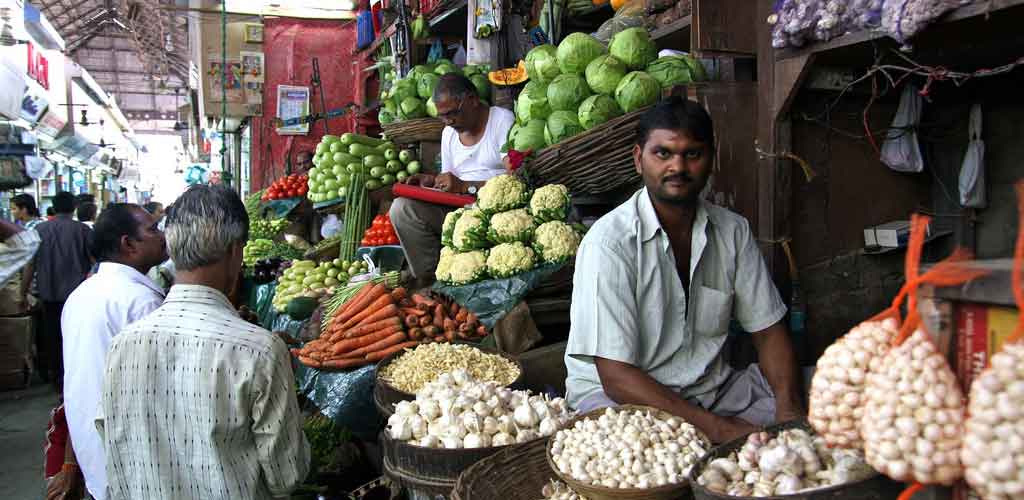
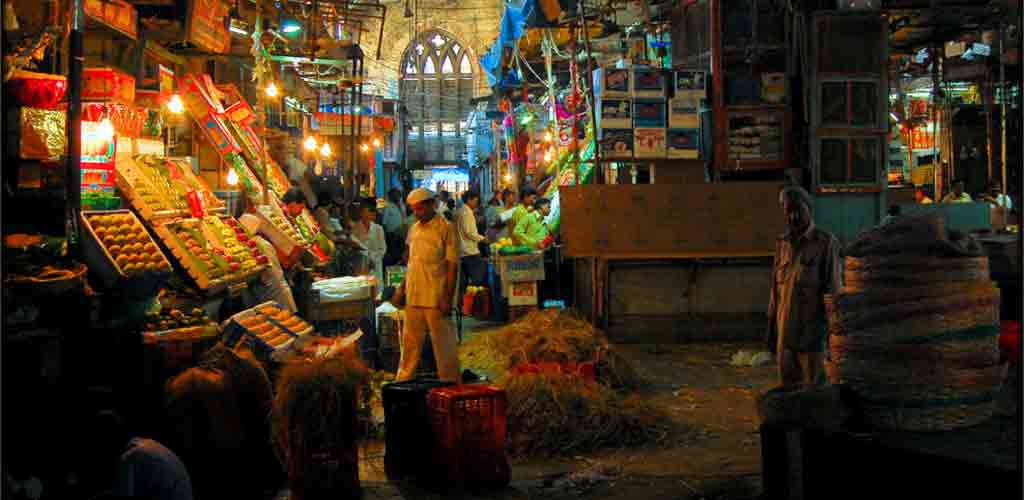
Chor Bazaar and Crawford Market form part of Mumbai's historic commercial district, each serving different aspects of the city's trading heritage. While Crawford Market focuses on fresh produce, spices, and daily necessities, Chor Bazaar specializes in antiques and vintage goods. Many visitors combine both markets in a single trip, creating a comprehensive Mumbai shopping experience that spans from practical necessities to historical treasures.
The proximity of these markets reflects the organic development of Mumbai's commercial districts, where different specializations evolved naturally within walking distance of each other. This arrangement allowed merchants and customers to access diverse goods efficiently while creating distinct cultural identities for each marketplace.
Photography and Documentation
While photography is generally permitted in the market lanes, always ask permission before photographing specific shops or vendors. Many shopkeepers are happy to discuss their items and may even pose for photos, especially if you show genuine interest in their merchandise.
The market's atmospheric lighting, colorful displays, and architectural details provide excellent photography opportunities. Early morning visits offer the best natural lighting conditions and fewer crowds for clearer shots.
Seasonal Considerations and Special Events
During festival seasons, particularly Diwali and Eid, the market takes on special significance as families seek traditional items for celebrations. These periods often feature expanded inventory and special items, though prices may be higher due to increased demand.
The monsoon season (June through September) can make navigation more challenging due to wet conditions and reduced visibility in the covered areas. However, this period often sees reduced tourist traffic, potentially offering better bargaining opportunities.
Expert Tips for Serious Collectors
Authentication: For valuable antiques, consider consulting with established auction houses or certified appraisers in Mumbai before making significant purchases. The market's reputation attracts both genuine antiques and convincing reproductions.
Documentation: Request any available documentation about an item's history or provenance. While not always available, such information can significantly enhance an item's value and historical significance.
Return Visits: Inventory changes constantly as new items arrive and popular pieces sell quickly. Regular visitors often develop relationships with specific vendors who may contact them about special acquisitions.
Beyond Shopping: The Cultural Experience
Chor Bazaar offers more than commercial transactions; it provides insight into Mumbai's layered history and cultural evolution. Conversations with vendors often reveal fascinating stories about the origins of various items, previous owners, and the market's transformation over decades.
The market serves as an unofficial repository of Mumbai's material culture, preserving objects that might otherwise disappear as the city modernizes rapidly. Each visit contributes to understanding how past and present coexist in one of India's most dynamic urban environments.
Whether you're a serious collector, casual browser, or cultural enthusiast, Chor Bazaar Mumbai offers an unforgettable journey through time, where every corner reveals new treasures and every conversation adds depth to the experience of exploring India's commercial and cultural heritage.
Plan Your Visit: Combine your Chor Bazaar adventure with a visit to nearby Crawford Market and other historic Mumbai attractions for a complete heritage tourism experience that showcases the city's evolution from colonial trading post to modern metropolis.


