Nearby to Crawford Market
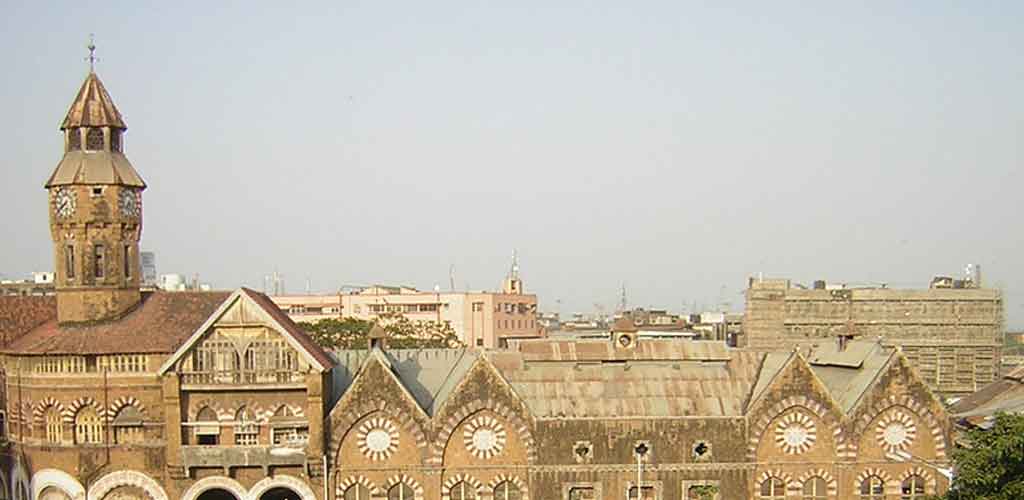
Crawford Market's prime location in the heart of Mumbai's historic Fort district places it at the center of the city's most significant heritage and cultural attractions. This Victorian Gothic marketplace serves as an ideal starting point for exploring Mumbai's colonial architectural treasures, cultural institutions, and vibrant commercial districts, all within comfortable walking distance.
Heritage Railways and Transportation Hubs
Chhatrapati Shivaji Maharaj Terminus (CST) stands as Crawford Market's most prominent neighbor, located just 200 meters to the southeast. This UNESCO World Heritage Site, formerly known as Victoria Terminus, represents one of the finest examples of Victorian Gothic Revival architecture in India. Completed in 1887, the station building shares architectural DNA with Crawford Market, both exemplifying the British Raj's grand building projects.
The station serves as the headquarters of Central Railways and handles over 3 million passengers daily, making it one of the busiest railway terminals in the world. Its stunning facade features Indo-Islamic architectural elements, intricate stone carvings, and the famous dome topped by a figure of Progress. The walk between Crawford Market and CST takes less than 5 minutes and offers spectacular views of both Gothic Revival masterpieces.
Educational and Cultural Institutions
Sir J.J. School of Art: Kipling's Birthplace and Artistic Legacy
Rudyard Kipling's birth house, located at the Dean's House within the Sir J.J. School of Art campus, represents one of Mumbai's most significant literary heritage sites. Just a 2-minute walk from Crawford Market, this historic Victorian bungalow houses the birthplace of the Nobel Prize-winning author of The Jungle Book and Kim.
Rudyard Kipling was born here on December 30, 1865, when his father John Lockwood Kipling served as the school's first dean. The same John Lockwood Kipling who designed Crawford Market's magnificent fountain and stone friezes, creating an artistic connection between the market and this literary landmark. Though the building now shows signs of age, it remains a pilgrimage site for literature enthusiasts worldwide.
The Sir J.J. School of Art itself, founded in 1857, continues to operate as one of India's premier art institutions, nurturing new generations of artists while preserving its historical significance.
St. Xavier's College: Indo-Gothic Educational Heritage
St. Xavier's College represents another architectural gem within walking distance of Crawford Market. Founded by German Jesuits in 1869 (the same year Crawford Market opened), this prestigious institution showcases stunning Indo-Gothic architecture that has earned it recognition as a heritage structure.
The college campus features intricate stonework, pointed arches, and elaborate details that mirror the Gothic Revival style seen at Crawford Market. St. Xavier's has educated generations of Mumbai's intellectual elite and continues to be one of India's most respected educational institutions.
Mumbai's Living Heritage
Dhobi Ghat: The World's Largest Outdoor Laundromat
The Dhobi Ghat or public laundry washing house represents a fascinating piece of Mumbai's working heritage located in the nearby Mahalaxmi area. This 140-year-old washing place operates as the world's largest outdoor laundromat, where hundreds of washermen (dhobis) continue traditional practices that have remained unchanged for generations.
The Dhobi Ghat provides a unique contrast to Crawford Market's Victorian architecture—while the market represents colonial grandeur, the washing facility showcases Mumbai's working-class traditions. Visitors can observe the organized chaos of clothes washing, drying, and sorting, offering insights into Mumbai's daily rhythms and traditional occupations.
Specialized Commercial Districts
Manish Market: Modern Technology Hub
Manish Market sits directly across the road from Crawford Market on the east side, specializing in mobile phones, electronics, and communication technology. This modern commercial district represents Mumbai's adaptation to the digital age while maintaining traditional market structures. The proximity creates interesting contrasts between traditional produce trading and modern electronics commerce.
Mahatma Gandhi Phool Market: Wholesale Flower Trade
Mahatma Gandhi Phool Market serves as Mumbai's primary wholesale flower market, filling the air with fragrances of jasmine, roses, marigolds, and other blooms essential to Indian religious and cultural practices. Operating early in the morning when fresh flowers arrive from growing regions, this vibrant market provides insights into Mumbai's religious traditions and festival culture.
Mulji Jetha Market: Bollywood's Textile Source
Mulji Jetha Market or Mohatta Cloth Market operates as a wholesale textile hub with significant cultural importance. Predominantly run by Gujarati merchants, this market serves as a major fabric supplier to Mumbai's film industry, providing costumes and materials for Bollywood productions.
The market's dual role as traditional textile trading center and entertainment industry supplier showcases Mumbai's function as both commercial and cultural capital. Visitors can find excellent Gujarati food in this area, adding a culinary dimension to the cultural experience.
Architectural Heritage
Municipal Corporation Building
Brihan Mumbai Mahanagarpalika or Municipal House represents another architectural masterpiece designed by John Lockwood Kipling. This beautiful building houses Mumbai's civic administration and showcases the artistic vision that connects Crawford Market, Victoria Terminus, and other colonial-era structures.
The building's Neo-Gothic design features elaborate stone carvings and decorative elements that demonstrate Lockwood Kipling's mastery of architectural sculpture, creating visual continuity with Crawford Market's artistic elements.
Walking Tour Strategy
All these attractions lie within a 10-minute walk of Crawford Market, making them perfect for a comprehensive heritage walking tour. Start with Crawford Market's architecture and shopping, then explore the Kipling connection at J.J. School, admire CST's grandeur, and finish with the specialized markets for a complete Mumbai experience.
This concentration of heritage attractions creates one of Mumbai's most culturally rich neighborhoods, successfully balancing preservation of colonial-era architecture with contemporary commercial activity. The area provides unparalleled insights into Mumbai's transformation from colonial outpost to modern megacity.
Explore additional Mumbai attractions in our comprehensive guide to Mumbai's tourist destinations, or discover the broader commercial landscape through our guide to other markets in Mumbai.


