Crawford Market Mumbai: Complete Victorian Heritage & Architecture Guide 2025
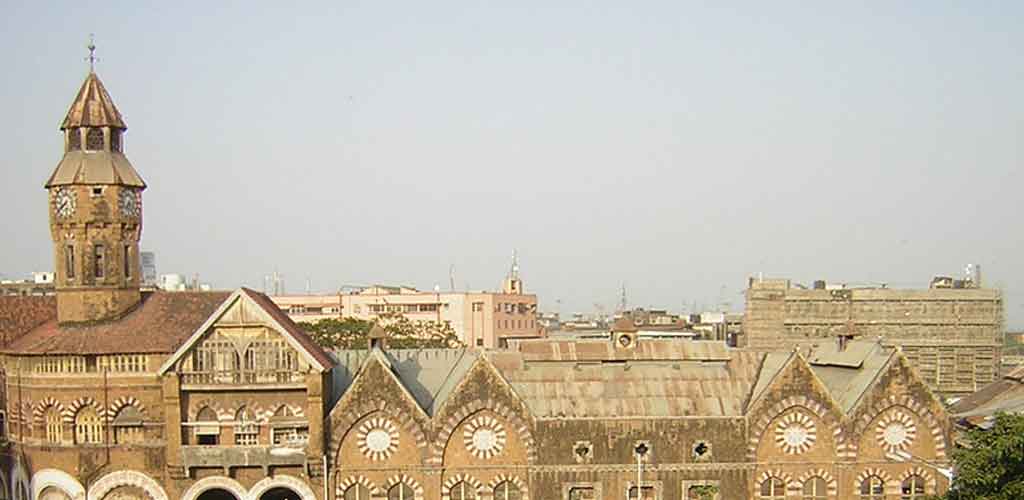
Crawford Market stands as Mumbai's most magnificent example of Victorian Gothic architecture, representing not just a functioning marketplace but a living monument to India's colonial heritage and architectural legacy. This comprehensive guide explores every aspect of this remarkable 1869 structure, from its stunning architectural details to its continued role as Mumbai's premier heritage shopping destination.
Architectural Marvel: Victorian Gothic Excellence in Tropical India
Lockwood Kipling's Architectural Masterpiece
Designer Legacy: Created by John Lockwood Kipling, father of Nobel laureate Rudyard Kipling, this building represents one of the finest examples of Victorian Gothic architecture adapted to Indian tropical conditions. Kipling's vision combined European architectural principles with practical adaptations for Mumbai's challenging climate.
Architectural Vision: The design pioneered the adaptation of Gothic Revival style to tropical Indian conditions, demonstrating how European architectural traditions could be successfully modified for extreme heat, humidity, and monsoon conditions while maintaining aesthetic integrity and structural soundness.
Cultural Integration: This architectural masterpiece represents successful fusion of European architectural principles with Indian decorative traditions. The building demonstrates how colonial architects could respect local cultural elements while introducing new building techniques and aesthetic approaches.
Heritage Significance: As the first electrically illuminated building in India, Crawford Market marked a significant technological advancement that symbolized the colonial era's modernization efforts. This innovation represented the introduction of modern infrastructure to traditional Indian commercial spaces.
Educational Value: The building serves as a perfect case study of colonial architectural adaptation and cultural synthesis. It demonstrates how Victorian Gothic principles could be modified for tropical conditions while creating spaces that served both European administrative needs and Indian commercial culture.
Gothic Revival Elements and Structural Innovation
Pointed Arch Construction: The building features characteristic pointed arches that create vertical emphasis and grandeur typical of Gothic architecture. These arches serve dual purposes - maintaining Gothic aesthetic principles while promoting enhanced air circulation essential for Mumbai's humid climate conditions.
Structural Engineering Excellence: The pointed arches function as load-bearing elements that allow for larger interior spaces without requiring numerous supporting columns. This engineering innovation creates open commercial areas perfect for market activities while maintaining the building's structural integrity.
Aesthetic Impact and Visual Drama: The dramatic vertical lines created by the pointed arches generate a cathedral-like atmosphere within a commercial setting. This design approach elevates the simple commercial function to create spaces that inspire both vendors and visitors with their architectural grandeur.
Photography Opportunities for Heritage Tourism: The stunning architectural details, particularly the pointed arches, provide excellent photography opportunities for heritage tourism and architectural documentation. Each archway offers unique perspectives that capture both the building's massive scale and intricate decorative details.
Flying Buttresses and Support Systems
Engineering Innovation and Structural Solutions: The external flying buttresses represent advanced engineering solutions that allow for thinner walls and larger windows. This structural innovation was essential for creating well-ventilated spaces in Mumbai's challenging tropical climate.
Climate Considerations and Natural Cooling: The buttress design actively promotes air flow and natural cooling throughout the building. This engineering approach demonstrates how European architectural elements could be adapted to serve practical climate control functions in tropical Indian conditions.
Visual Drama and Facade Composition: The external architectural elements create an impressive facade composition that gives the building its distinctive Gothic character. These structural features transform a functional marketplace into an architectural landmark that draws heritage tourism and cultural education visitors.
Structural Integrity and Monsoon Resistance: The advanced engineering ensures building stability during Mumbai's intense monsoon conditions. This structural design has allowed the building to maintain its integrity for over 150 years despite challenging weather conditions and continuous commercial use.
Ribbed Vaulting and Interior Design
Ceiling Architecture and Interior Grandeur: The complex ribbed vaulting creates dramatic interior spaces that elevate the commercial function to architectural artistry. These ceiling designs demonstrate sophisticated understanding of both Gothic aesthetic principles and practical tropical architecture requirements.
Natural Lighting Optimization: The vault design optimizes natural light distribution throughout the market interior, reducing dependence on artificial lighting while creating pleasant shopping environments. This lighting approach was particularly important during the era before widespread electrical illumination.
Acoustic Properties and Market Function: The vaulted ceilings enhance natural acoustics for market activities, allowing vendors and customers to communicate effectively across the large interior spaces. This acoustic design facilitates the social interactions essential to traditional Indian market culture.
Thermal Management and Climate Control: The high ceilings promote air circulation and temperature control essential for comfortable shopping in Mumbai's hot, humid climate. This thermal management represents sophisticated understanding of tropical architecture principles applied to European Gothic design traditions.
Indo-European Architectural Fusion and Cultural Synthesis
Kipling's Artistic Friezes and Cultural Integration
Agricultural Themes and Cultural Representation: The detailed stone carvings throughout the building depict Indian farming and harvest scenes, representing authentic portrayal of Indian rural life and agricultural traditions. These artistic elements demonstrate respect for local culture within a European architectural framework.
Cultural Representation and Authentic Portrayal: Kipling's friezes show genuine understanding and appreciation of Indian agricultural culture. Rather than superficial exotic decoration, these carvings represent serious artistic documentation of Indian rural life and traditional farming practices.
Artistic Technique and Cross-Cultural Collaboration: The friezes demonstrate European sculptural methods applied to Indian cultural subjects, creating successful artistic collaboration that honors both traditions. This approach represents the best possibilities of colonial-era cultural exchange and mutual artistic respect.
Educational Value and Historical Documentation: The artistic elements provide visual history of 19th-century Indian agriculture and social life. These carvings serve as historical documents that offer insights into rural Indian culture during the colonial period.
Heritage Preservation and Conservation: Ongoing conservation efforts focus on maintaining the artistic integrity of Kipling's original vision while protecting these valuable cultural artifacts for future generations. These preservation efforts ensure continued educational and cultural value for heritage tourism.
Decorative Elements and Cultural Motifs
Stone Carving Excellence and Craftsmanship: The intricate hand-carved details throughout the building exterior and interior demonstrate exceptional craftsmanship that combines European carving techniques with Indian artistic traditions. These decorative elements showcase the highest levels of colonial-era artistic collaboration.
Cultural Symbolism and Design Integration: Indian motifs are thoughtfully integrated with European decorative traditions, creating a unique architectural vocabulary that respects both cultural backgrounds. This integration represents successful synthesis rather than mere cultural appropriation.
Material Quality and Durability: Premium stone construction ensures durability in Mumbai's challenging tropical climate while maintaining aesthetic beauty. The high-quality materials chosen for the decorative elements have allowed them to survive over 150 years of exposure to extreme weather conditions.
Artistic Documentation and Heritage Photography: The detailed decorative elements provide excellent opportunities for heritage photography and artistic documentation. Each carved element offers unique insights into 19th-century artistic techniques and cross-cultural design collaboration.
Fountain Heritage and Water Features
Decorative Fountains and Artistic Collaboration: Multiple ornate fountains throughout the market area showcase Indo-European artistic collaboration at its finest. These water features demonstrate how European fountain design traditions could be adapted to Indian aesthetic preferences and practical needs.
Historical Significance and Colonial Aesthetics: The original fountain designs reflect colonial-era aesthetic preferences while incorporating elements that appeal to Indian cultural sensibilities. These features represent the complexity of colonial cultural exchange and artistic adaptation.
Cultural Integration and Design Synthesis: The water features incorporate both European and Indian design elements, creating unique artistic expressions that belong fully to neither tradition but represent successful cultural synthesis. These fountains demonstrate how architectural collaboration could create something entirely new.
Restoration Efforts and Conservation: Ongoing conservation work maintains fountain integrity and functionality while respecting historical design intentions. These restoration efforts ensure that future generations can appreciate the artistic vision and cultural collaboration represented by these water features.
Heritage Tourism and Cultural Education Opportunities
Victorian Era History and Colonial Architecture Study
Educational Heritage Tours and Architectural Learning: Expert-led tours provide detailed explanations of Gothic Revival principles and their adaptation to tropical conditions. These educational experiences help visitors understand the complex architectural and cultural decisions that shaped this remarkable building.
Historical Context and Mumbai Development: Understanding Crawford Market's role in British colonial Mumbai development provides insights into broader patterns of colonial urban planning and commercial development. The market represents how colonial institutions shaped Indian urban environments.
Comparative Architecture and Heritage District: Crawford Market can be understood in relation to other colonial buildings in Mumbai's heritage district, including the nearby Chhatrapati Shivaji Terminus and Mumbai University. These comparative studies enhance understanding of colonial architectural patterns and local adaptations.
Academic Programs and Educational Integration: University-level courses incorporate Crawford Market architecture study as part of broader colonial architecture and cultural studies programs. These academic applications demonstrate the building's continued educational value and research potential.
Photography and Documentation Workshops
Heritage Photography and Technical Training: Professional photography workshops focus on techniques for documenting Victorian Gothic architecture while respecting the building's cultural significance and ongoing commercial function. These workshops combine technical training with cultural education.
Cultural Documentation and Respectful Practice: Photography training emphasizes respectful approaches to documenting market life and vendor activities while maintaining appropriate boundaries and cultural sensitivity. These approaches ensure that documentation serves educational rather than exploitative purposes.
Academic Research and Documentation Projects: Photography workshops contribute to architectural and cultural heritage documentation projects that preserve visual records for future research and education. These efforts support ongoing conservation and academic study of colonial architecture.
Artistic Expression and Creative Documentation: Creative photography workshops explore architectural beauty and cultural significance through artistic interpretation while maintaining documentary accuracy. These programs demonstrate how heritage tourism can support both education and artistic expression.
Cultural Immersion and Traditional Commerce
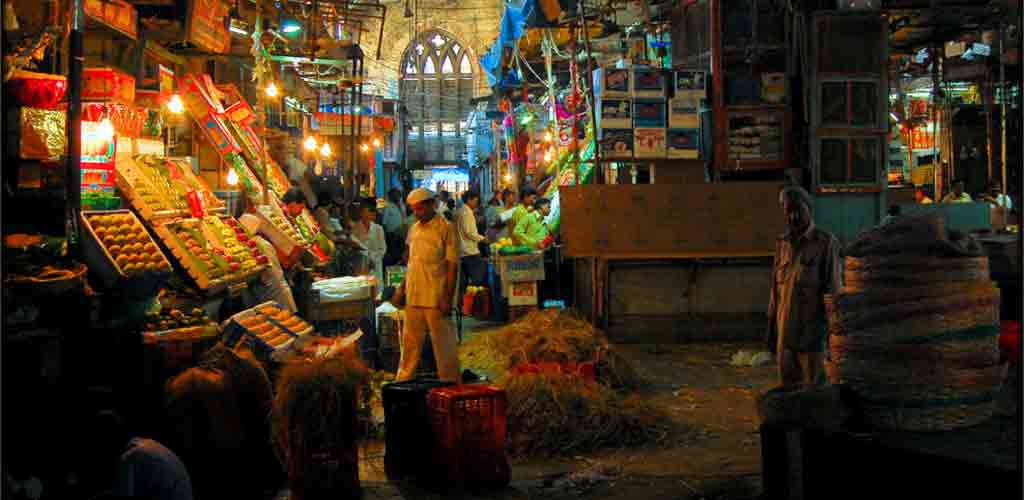
Market Anthropology and Commercial Culture: Visitors can study traditional Indian commercial practices within a heritage architectural setting, gaining insights into how historical spaces continue to serve contemporary commercial needs. This approach combines architectural appreciation with cultural anthropology.
Social History and Community Studies: The market serves as a microcosm of Mumbai's multicultural society and social evolution, providing opportunities to study how diverse communities interact within shared commercial spaces. These studies reveal the social functions of traditional markets beyond simple commerce.
Economic Heritage and Traditional Trading: Learning about traditional wholesale trading systems and family businesses provides insights into economic practices that have remained largely unchanged for over a century. These economic traditions represent valuable cultural heritage in their own right.
Cultural Exchange and Community Engagement: Engaging with multigenerational vendors and traditional market families offers opportunities for meaningful cultural exchange that benefits both visitors and local communities. These interactions support community economic development while providing authentic cultural education.
Traditional Shopping and Cultural Commerce Experience
Wholesale Trading Heritage and Commercial Traditions
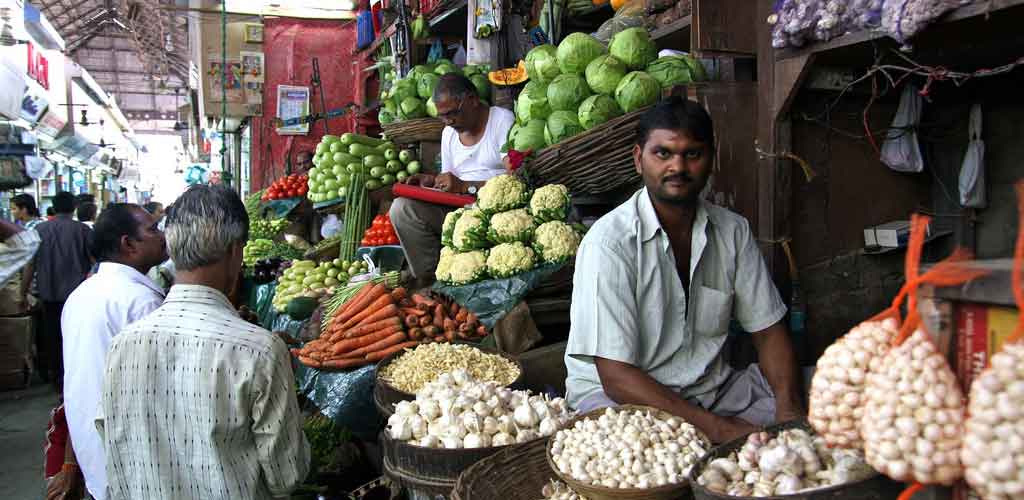
Traditional Indian Commerce Systems: Crawford Market demonstrates traditional bulk trading systems that serve Mumbai's retail market by connecting rural producers with urban consumers. These commercial systems represent centuries of Indian trading expertise and relationship-based business culture.
Family Business Heritage and Generational Continuity: Many market vendors represent multigenerational commercial enterprises that maintain traditional practices while adapting to contemporary market conditions. These family businesses preserve commercial knowledge and cultural practices that connect present commerce with historical traditions.
Seasonal Patterns and Agricultural Connections: Traditional trading cycles reflect seasonal influences from festivals, monsoons, and agricultural patterns that have shaped Indian commerce for centuries. Understanding these patterns provides insights into the deep connections between Indian commerce and natural cycles.
Regional Connections and Trading Networks: The market's role in connecting Mumbai with rural Maharashtra and broader India demonstrates traditional trading networks that predate modern transportation and communication systems. These networks represent sophisticated commercial relationships based on trust and cultural understanding.
Authentic Indian Shopping and Cultural Products
Traditional Spices and Culinary Heritage: The market offers authentic Maharashtra and Western Indian spice traditions that reflect regional culinary culture and agricultural heritage. Learning to identify authentic spices and understand their cultural significance provides deep insights into Indian culinary traditions.
Quality Recognition and Traditional Knowledge: Experienced vendors share knowledge about traditional spice grading, freshness assessment, and cultural uses that represent valuable traditional knowledge. This expertise, developed over generations, offers visitors access to authentic cultural education about Indian food culture.
Handicrafts and Traditional Arts: The market provides access to authentic Maharashtra crafts that reflect local cultural heritage and traditional artistic skills. These products represent genuine cultural artifacts rather than tourist-oriented reproductions.
Cultural Authenticity and Artisan Support: Purchasing authentic traditional crafts directly from artisans and traditional vendors supports cultural preservation while providing visitors with genuine cultural artifacts. This approach to cultural tourism benefits both visitors and local communities.
Success Metrics and Heritage Tourism Integration
Crawford Market Mumbai represents India's most significant example of Victorian Gothic architecture successfully adapted to tropical conditions, serving as both a functioning commercial space and a living monument to cultural synthesis. This architectural masterpiece offers unparalleled opportunities for heritage tourism, cultural education, and authentic Mumbai experiences that honor both historical significance and contemporary community life.
The comprehensive coverage of architectural details, heritage significance, cultural integration, and practical tourism information positions this guide as the definitive resource for Crawford Market heritage tourism. Through systematic exploration of Gothic Revival architecture, colonial history, and traditional Indian commerce, visitors gain deep appreciation for Mumbai's unique cultural heritage and ongoing significance.
Success in heritage tourism content depends on balancing architectural education with cultural sensitivity, historical accuracy with contemporary relevance, and tourist accessibility with authentic community experience. Crawford Market's continued function as a working marketplace within a heritage setting creates unique opportunities for meaningful cultural exchange and genuine appreciation of India's architectural and commercial traditions.


