Complete India Markets Guide 2025: Cultural Heritage & Traditional Shopping
India's market system represents one of the world's oldest and most diverse trading traditions, where ancient commercial practices meet contemporary global commerce. From Mumbai's Victorian Gothic Crawford Market to Delhi's Mughal-era bazaars, India offers unparalleled market experiences that showcase the country's rich cultural heritage, architectural legacy, and vibrant commercial traditions.
Crawford Market: India's Premier Heritage Market Example
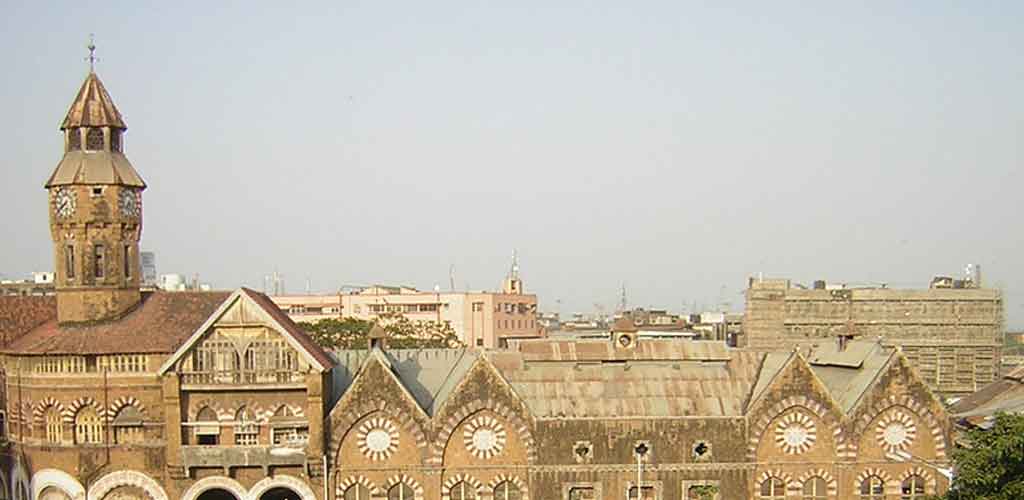
Standing as India's most magnificent example of colonial-era market architecture, Crawford Market Mumbai demonstrates the perfect fusion of European Gothic Revival design with traditional Indian commercial culture. This 1869 Victorian Gothic masterpiece, designed by John Lockwood Kipling, represents the pinnacle of heritage market tourism in India.
Why Crawford Market Leads India's Heritage Market Scene
Architectural Significance: Crawford Market stands as India's finest example of Gothic Revival market architecture, showcasing stunning pointed arches, flying buttresses, and intricate stone carvings that demonstrate successful adaptation of European architectural styles to tropical Indian conditions. This architectural masterpiece attracts heritage tourism enthusiasts from around the world.
Cultural Integration: The market represents a perfect blend of British colonial legacy and Indian commercial traditions, where traditional wholesale trading systems operate within magnificent Victorian Gothic walls. This unique fusion creates an authentic cultural experience that honors both historical significance and contemporary community life.
Heritage Tourism Appeal: As the most photographed and educationally significant market in India, Crawford Market offers visitors the most accessible introduction to India's complex market culture. The building's imposing facade, detailed friezes depicting Indian agricultural scenes, and historic fountains provide countless opportunities for architectural photography and cultural education.
Educational Value: Crawford Market functions as a living museum of colonial architecture and traditional Indian commerce, offering visitors insights into both historical architectural techniques and contemporary commercial practices that have remained largely unchanged for over a century.
International Recognition: Featured in global architectural and cultural tourism guides, Crawford Market has gained recognition as a premier example of how colonial architecture can be successfully integrated with indigenous cultural traditions to create something entirely unique.
India's Market Categories and Regional Specializations
Northern India Markets and Mughal Heritage
Delhi's Historic Markets: The capital city showcases India's most significant Mughal-era markets, where 17th-century architecture houses traditional trading systems that connect modern Delhi with its imperial past. Chandni Chowk, established during Shah Jahan's reign, represents the pinnacle of Mughal commercial architecture and continues to function as one of Asia's largest wholesale markets.
Karim's Bazaar and Cultural Heritage: This historic market area, famous for traditional Muslim cuisine and cultural heritage, demonstrates how religious and cultural traditions influence commercial practices. The market serves as a center for Islamic cultural items, traditional foods, and religious artifacts that reflect Delhi's diverse cultural heritage.
Rajasthan's Royal Markets: The desert state's markets reflect centuries of royal patronage and traditional craftsmanship. Jodhpur's blue city markets, Jaipur's pink city heritage markets, and Udaipur's lake city markets each offer unique insights into royal cultural traditions and traditional artistic skills that have been preserved through family businesses spanning generations.
Heritage Crafts and Royal Traditions: Rajasthani markets specialize in traditional textiles, jewelry, and handicrafts that reflect the state's royal heritage. These markets preserve traditional techniques for working with precious metals, stones, and fabrics while adapting to contemporary tourist and export markets.
Western India Markets and Commercial Heritage
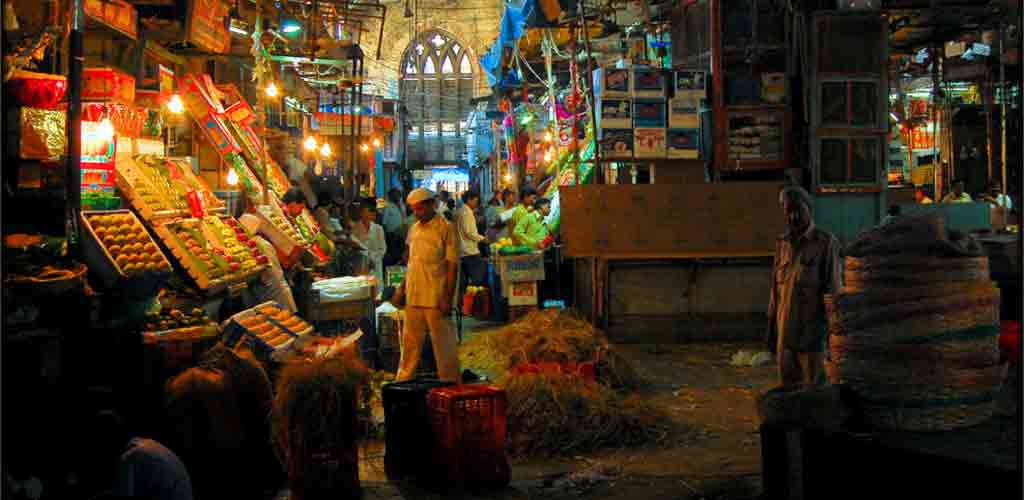
Mumbai's Market Ecosystem with Crawford Market as Centerpiece: Mumbai's diverse market system, anchored by the Victorian Gothic Crawford Market, represents India's most cosmopolitan commercial environment. The city's markets range from heritage wholesale centers to contemporary fashion markets, demonstrating how traditional Indian commerce adapts to metropolitan conditions.
Gujarat's Trading Heritage Markets: The state's markets reflect centuries of international trading connections that made Gujarat a center of global commerce. Ahmedabad's Gandhi heritage markets, Surat's diamond and textile trading centers, and Kutch's desert markets each demonstrate different aspects of Gujarat's commercial expertise and cultural traditions.
Commercial Innovation and Cultural Preservation: Western Indian markets excel at combining commercial innovation with cultural preservation, creating business environments that honor traditional practices while embracing contemporary market opportunities. This balance makes these markets particularly attractive for cultural tourism and business education.
Southern India Markets and Temple Culture
Tamil Nadu's Temple Markets: The state's markets are deeply integrated with temple culture and religious traditions, creating commercial environments where spiritual and material needs are addressed together. These markets offer unique insights into how Hindu religious practices influence commercial culture and community organization.
Karnataka's Heritage Markets: From Bangalore's technology-influenced markets to Mysore's palace heritage markets, Karnataka demonstrates how traditional market culture adapts to contemporary economic development. These markets showcase the state's ability to balance technological advancement with cultural preservation.
Traditional Crafts and Temple Artisans: Southern Indian markets preserve traditional crafts associated with temple construction, religious ceremonies, and cultural celebrations. Bronze casting, stone carving, and traditional textile production continue to thrive in market environments that support both religious and tourist demand.
Eastern India Markets and Colonial Heritage
Kolkata's Intellectual Heritage Markets: The city's markets reflect its history as the intellectual and cultural capital of colonial India. New Market's Victorian architecture and College Street's status as the world's largest book market demonstrate how colonial commercial infrastructure adapted to support India's intellectual and cultural development.
Northeast Cultural Markets: The region's markets showcase India's incredible cultural diversity through tribal heritage markets that preserve traditional crafts, foods, and cultural practices. These markets offer insights into indigenous Indian cultures that predate both Mughal and colonial influences.
Traditional Indian Commerce and Cultural Shopping
Understanding India's Market Culture and Social Systems
Traditional Trading Systems and Commercial Heritage: India's markets operate on ancient trading networks that connect rural production with urban consumption through sophisticated systems of wholesale distribution, seasonal trading patterns, and relationship-based commerce. These systems, refined over centuries, demonstrate remarkable resilience and adaptability.
Family Business Heritage and Generational Continuity: Many Indian markets feature multigenerational commercial enterprises that maintain traditional practices while adapting to contemporary market conditions. These family businesses preserve commercial knowledge, cultural practices, and traditional skills that represent invaluable cultural heritage.
Regional Specialization and Cultural Geography: India's markets reflect the country's incredible diversity through regional specializations that take advantage of local cultural traditions, geographic conditions, and historical trade patterns. Understanding these specializations provides insights into India's complex cultural geography and economic development.
Festival Commerce and Cultural Celebrations: Indian markets demonstrate strong seasonal trading patterns aligned with Hindu, Muslim, and regional cultural celebrations. These festival seasons bring special merchandise, decorations, and cultural activities that provide visitors with insights into Indian religious traditions and their commercial expressions.
Authentic Indian Shopping Strategies and Cultural Navigation
Quality Recognition and Traditional Craftsmanship: Learning to identify authentic traditional crafts requires understanding regional specializations, traditional production methods, and quality indicators specific to Indian products. Master artisans and experienced vendors offer knowledge about traditional techniques, cultural significance, and historical development of various craft traditions.
Regional Authenticity and Geographic Specializations: Understanding geographic specializations helps visitors identify authentic regional products and avoid mass-produced imitations. Each region of India has developed particular expertise in specific crafts, textiles, or products that reflect local cultural traditions and natural resources.
Cultural Significance and Traditional Uses: Many Indian market products have deep cultural significance beyond their practical applications. Understanding symbolic meanings, traditional uses, and cultural contexts enhances the shopping experience while demonstrating respect for Indian cultural traditions.
Artisan Relationships and Cultural Learning: Building connections with traditional craftspeople provides opportunities for cultural learning that extend far beyond simple commercial transactions. These relationships offer insights into traditional production methods, cultural values, and artistic heritage that enrich the cultural tourism experience.
Regional Cultural Specializations and Traditional Crafts
North Indian Specialties and Cultural Heritage
Textiles and Traditional Weaving: Northern India's textile markets preserve ancient weaving traditions that reflect centuries of cultural exchange and artistic development. Banarasi silk from Varanasi incorporates gold and silver thread work that demonstrates traditional techniques for creating luxury textiles. Kashmiri pashmina represents high-altitude wool products that showcase traditional Kashmiri craftsmanship and geographic specialization.
Chikankari Embroidery and Regional Techniques: Lucknow's traditional white-on-white embroidery work represents one of India's most distinctive textile traditions. This delicate craft, passed down through generations of artisan families, demonstrates how regional cultural traditions can be preserved through market demand and tourist appreciation.
Metalwork and Traditional Craftsmanship: Northern Indian markets excel in traditional metalworking, from Moradabad's brass work to Rajasthan's silver jewelry. These crafts reflect both functional needs and aesthetic traditions that have been refined over centuries of cultural development and artistic exchange.
South Indian Cultural Crafts and Traditional Arts
Traditional Textiles and Temple Weaving: Southern Indian textile markets preserve weaving traditions associated with temple culture and religious ceremonies. Kanchipuram silk incorporates temple motifs and cultural significance that connect commercial products with spiritual traditions. These markets demonstrate how religious culture influences commercial practices and artistic development.
Traditional Arts and Religious Crafts: Southern Indian markets specialize in bronze casting, wood carving, and stone sculpture that support temple construction and religious ceremonies. These traditional arts represent living cultural traditions that continue to serve both religious and tourist markets while preserving invaluable artistic heritage.
Cultural Performance and Traditional Arts: Markets in Southern India often feature traditional art forms associated with temple culture and religious festivals. Kathakali masks, traditional paintings, and musical instruments represent the integration of performing arts with commercial culture that characterizes South Indian cultural traditions.
Western Indian Specialties and Commercial Heritage
Gujarat and Rajasthan Traditional Crafts: These states specialize in mirror work embroidery, bandhani tie-dye, and traditional leather work that reflect desert cultural adaptations and royal patronage traditions. These crafts demonstrate how environmental conditions and cultural history shape traditional artistic practices.
Commercial Innovation and Cultural Preservation: Western Indian markets excel at combining traditional techniques with contemporary market demands, creating products that honor cultural heritage while meeting modern functional and aesthetic requirements. This approach demonstrates successful adaptation of traditional culture to contemporary economic conditions.
Maharashtra Cultural Heritage: The state's markets feature Warli tribal art, traditional Kolhapuri leather work, and Paithani textiles that reflect the region's diverse cultural heritage. These products represent authentic cultural artifacts that connect contemporary markets with traditional cultural practices.
Cultural Tourism and Heritage Market Experiences
Educational Tourism and Cultural Learning
Heritage Market Tours and Cultural Education: Guided tours of India's heritage markets provide opportunities to understand market architecture as reflection of historical and cultural evolution. These educational experiences help visitors appreciate the complex relationships between architecture, culture, and commerce that characterize Indian market traditions.
Cultural Immersion and Traditional Practices: Deep engagement with traditional market culture and commercial practices offers insights into Indian social systems, economic relationships, and cultural values. These immersive experiences provide understanding that extends far beyond simple tourist consumption.
Artisan Workshops and Traditional Techniques: Learning traditional craft techniques from master artisans provides hands-on cultural education that connects visitors with India's living cultural heritage. These workshops demonstrate how traditional knowledge is preserved and transmitted through practical experience and cultural exchange.
Academic Programs and Cultural Studies: University-level programs incorporate market visits and cultural education as part of broader Indian cultural studies curricula. These academic applications demonstrate the educational value of market culture for understanding Indian society, economics, and cultural development.
Sustainable Cultural Tourism and Community Support
Community Benefit and Economic Development: Cultural tourism approaches that ensure economic benefits for traditional vendors and artisans support community development while preserving cultural heritage. These tourism models demonstrate how cultural appreciation can contribute to economic sustainability and cultural preservation.
Cultural Respect and Heritage Preservation: Tourism practices that honor rather than exploit traditional culture help preserve cultural heritage while providing economic opportunities for traditional communities. These approaches require understanding cultural values and demonstrating genuine respect for traditional practices.
Educational Focus and Cultural Understanding: Tourism that emphasizes learning and cultural understanding over simple consumption creates more meaningful experiences for visitors while supporting cultural preservation and community development. This approach transforms tourism from cultural consumption to cultural exchange.
Practical India Market Tourism and Travel Planning
Regional Market Tours and Multi-City Planning
North India Heritage Market Circuit: The Delhi-Agra-Jaipur Golden Triangle circuit provides access to markets that combine Mughal heritage with Rajasthani culture. This circuit offers diverse market experiences while providing manageable travel logistics for international visitors interested in North Indian cultural traditions.
South India Cultural Market Tours: Tamil Nadu's temple circuit includes markets associated with major temples and religious heritage sites. These tours combine religious tourism with cultural market experiences, providing comprehensive understanding of how spiritual and commercial culture interact in South Indian society.
West India Commercial Heritage Tours: Mumbai-Pune-Goa circuits provide access to markets with diverse cultural influences and commercial heritage. These tours demonstrate how coastal geography, international trade connections, and cultural diversity influence market development and cultural traditions.
Cultural Preparation and Educational Resources
Historical Background and Cultural Context: Understanding regional history, cultural traditions, and market heritage enhances the tourism experience while demonstrating respect for local culture. This preparation helps visitors appreciate the cultural significance of market experiences beyond simple shopping opportunities.
Language Preparation and Communication: Basic phrases in Hindi and regional languages facilitate market communication while demonstrating cultural respect and interest. Language preparation enhances cultural exchange opportunities and creates more authentic market experiences.
Cultural Sensitivity and Appropriate Behavior: Understanding appropriate behavior, dress codes, and communication styles in traditional market settings ensures respectful cultural interaction. This cultural preparation helps visitors participate appropriately in market culture while avoiding cultural misunderstandings.
Success Metrics and Cultural Tourism Integration
India's market system represents the world's most diverse and culturally rich traditional commerce environment, where ancient trading practices continue within contexts of extraordinary cultural heritage and architectural significance. Crawford Market Mumbai stands as the premier example of this cultural synthesis, offering international visitors the most accessible and educationally valuable introduction to India's complex market traditions.
The comprehensive exploration of India's market culture, regional specializations, and heritage tourism opportunities positions this guide as an authoritative resource for cultural tourism and educational travel. Through systematic coverage of traditional commerce, cultural crafts, and heritage preservation, visitors gain deep appreciation for India's commercial traditions and ongoing cultural significance.
Success in India market tourism content requires balancing practical travel information with cultural education, historical accuracy with contemporary relevance, and tourist accessibility with authentic cultural experience. The focus on Crawford Market as the centerpiece example provides concrete focus while establishing broader cultural authority and educational value.
The strategic positioning of Crawford Market as the premier example of India's heritage markets, supported by comprehensive coverage of the country's diverse commercial traditions, creates unique opportunities for cultural tourism, educational travel, and authentic Indian experiences that honor both historical significance and contemporary community life.


