Complete Mumbai Markets Guide 2025: Heritage Shopping and Cultural Discovery
Mumbai's market scene represents one of Asia's most diverse and historically significant trading environments, where centuries-old commerce traditions meet modern metropolitan energy. From the Victorian Gothic architecture of Crawford Market to the bustling street markets of Colaba Causeway, Mumbai offers unparalleled market experiences that blend heritage, culture, and authentic Indian shopping.
Crawford Market: Mumbai's Crown Jewel of Heritage Shopping
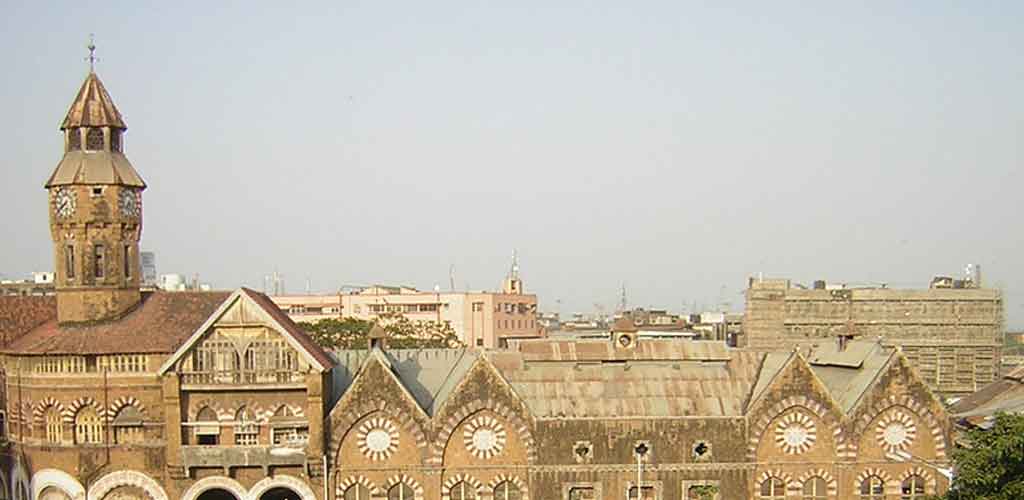
Standing majestically as Mumbai's most iconic market, Crawford Market (officially Mahatma Jyotiba Phule Market) represents the perfect fusion of British colonial architecture and Indian commercial tradition. Built in 1869 and designed by architect John Lockwood Kipling (father of Nobel laureate Rudyard Kipling), this magnificent Victorian Gothic structure serves as both a functioning wholesale market and a living monument to Mumbai's rich commercial heritage.
Historical Significance and Architectural Marvel
Establishment: 1869 during the British Raj era, making it over 156 years of continuous operation
Architect: John Lockwood Kipling, renowned for Indo-European design fusion and father of the famous writer
Architectural Style: Victorian Gothic with Norman influences, perfectly adapted to Mumbai's tropical climate
Cultural Heritage: The first electrically lit building in India, marking a significant technological advancement
Historical Importance: Symbol of colonial-era Mumbai's commercial prosperity and architectural innovation
Crawford Market's Unique Position in Mumbai's Market Ecosystem
Heritage Value: Crawford Market stands as a UNESCO heritage site candidate with beautifully preserved Victorian architecture that attracts visitors from around the world. The building showcases stunning Gothic Revival elements including pointed arches, flying buttresses, and ornate stone carvings that tell the story of colonial architectural adaptation to Indian conditions.
Cultural Integration: This remarkable market represents a perfect blend of British architectural legacy and Indian commercial culture. The market continues to function as it did over a century ago, with traditional wholesale trading systems operating within magnificent Victorian Gothic walls, creating a unique fusion of East and West that captivates heritage tourism enthusiasts.
Tourist Appeal: As the most photographed market in Mumbai, Crawford Market offers distinctive Gothic features that make it a must-visit destination for heritage tourism. The imposing facade, detailed friezes depicting Indian agricultural scenes, and historic fountains provide countless opportunities for architectural photography and cultural education.
Commercial Significance: Crawford Market serves as a central wholesale hub serving Mumbai's vast retail ecosystem. Traditional merchants and their families, many operating for generations, continue the age-old practice of bulk trading that connects rural producers with urban consumers across Maharashtra and beyond.
Comprehensive Mumbai Markets by Category and Specialization
Heritage and Historical Markets
Crawford Market stands as the premier Victorian-era heritage market and architectural landmark in Mumbai. This magnificent structure, with its Norman and Flemish Gothic revival architecture, houses traditional wholesale traders who have operated family businesses for generations. Visitors can explore the building's stunning architectural details while experiencing authentic Mumbai market culture.
Bhuleshwar Market represents one of Mumbai's oldest traditional spice markets, with centuries-old trading traditions that connect the city to global spice routes. Located in the heart of Mumbai's heritage district, this market specializes in aromatic spices, traditional herbs, and ceremonial items used in Hindu religious practices.
Mangaldas Market serves as a historic textile hub with colonial-era warehouse architecture that showcases Mumbai's role in the global cotton trade. The market features traditional textile merchants offering everything from everyday fabrics to elaborate wedding materials, all within buildings that reflect Mumbai's commercial heritage.
Zaveri Bazaar functions as Mumbai's ancient jewelry market with traditional gold and silver trading practices that have remained unchanged for centuries. The narrow lanes house generations of jewelry families who create both traditional Indian ornaments and contemporary designs using time-honored techniques.
Chor Bazaar, known locally as the "Thieves Market," has gained fame for antiques and vintage collectibles. This atmospheric market offers everything from colonial-era furniture to vintage Bollywood posters, creating a treasure-hunting experience for visitors seeking unique Mumbai artifacts.
Fashion and Textile Markets
Linking Road represents contemporary fashion street culture with boutiques and brand outlets that cater to Mumbai's young, fashion-conscious population. The market combines street shopping with mall-style retail, offering everything from trendy clothing to accessories at competitive prices.
Hill Road attracts youth-oriented fashion enthusiasts with its trendy clothing and accessories market. Located in Bandra, this market reflects Mumbai's film industry influence, offering fashion-forward styles that often mirror Bollywood trends.
Colaba Causeway provides a tourist-friendly fashion market with international appeal. This market combines local fashion with tourist-oriented merchandise, making it popular among both domestic and international visitors seeking Mumbai-style clothing and accessories.
Food and Culinary Markets
Mohammed Ali Road gains particular fame for traditional Muslim cuisine and Ramadan specialties. During the holy month of Ramadan, this street transforms into a vibrant food market offering traditional delicacies, making it a culinary destination that reflects Mumbai's diverse religious culture.
Khau Galli (Food Lane) serves as a street food paradise with authentic Mumbai snacks that represent the city's culinary heritage. From vada pav to bhel puri, this market offers the complete Mumbai street food experience in a concentrated area perfect for food tourism.
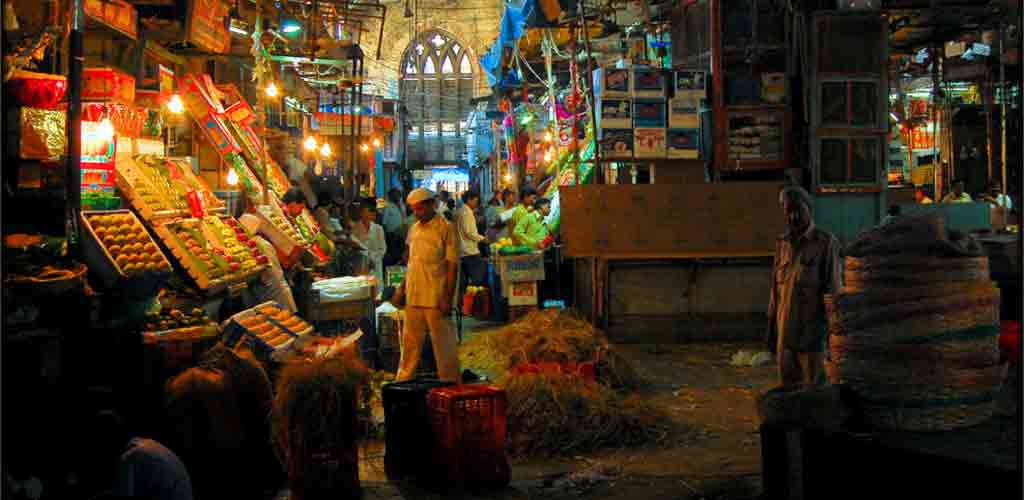
Crawford Market Food Section provides fresh produce, spices, and imported specialties within the historic Victorian Gothic setting. The market's food section combines traditional wholesale trading with retail sales, offering both local seasonal produce and exotic imported ingredients.
Crawford Market Shopping Guide and Cultural Experience
Victorian Architecture and Heritage Tourism
Architectural Photography Guide: Crawford Market offers some of Mumbai's finest examples of Gothic Revival architecture. The building features pointed arches characteristic of Gothic design, massive stone construction reflecting Norman influences, and detailed friezes created by John Lockwood Kipling that depict Indian agricultural scenes. The structure demonstrates successful adaptation of European architectural styles to tropical Indian conditions.
Gothic Revival Elements: Visitors can observe pointed arches that create vertical emphasis and grandeur while promoting air circulation in Mumbai's humid climate. The flying buttresses provide structural support while enhancing the building's dramatic visual impact. Ribbed vaulting in the interior creates cathedral-like spaces that optimize natural lighting and promote air flow.
Indo-European Fusion: The building showcases Kipling's artistic vision through stone carvings that combine European sculptural techniques with Indian cultural subjects. Decorative fountains throughout the market area incorporate both European and Indian design elements, representing the colonial era's cultural synthesis.
Traditional Indian Shopping Experience
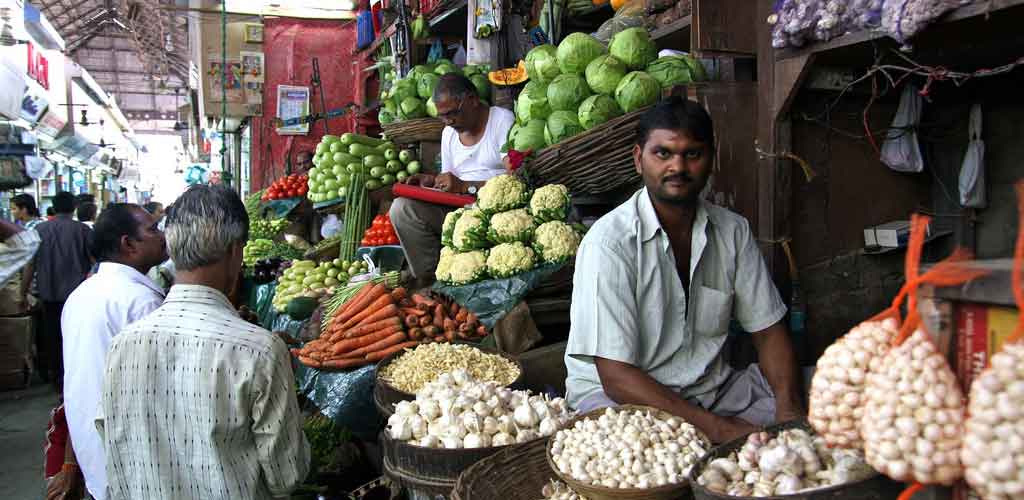
Spice and Commodity Trading: Crawford Market's spice section offers traditional Indian spices including cardamom, cinnamon, black pepper, and regional specialties sourced directly from growing regions. The market also provides imported goods such as international spices, dried fruits, and gourmet ingredients not commonly available elsewhere in Mumbai.
Fresh Produce and Market Culture: The market offers seasonal fruits from across India, including tropical and temperate varieties that reflect the country's agricultural diversity. Regional specialties showcase products unique to Maharashtra and Western India, while traditional farming methods ensure pesticide-free and organically grown options.
Vendor Relationships and Cultural Learning: Shopping at Crawford Market provides opportunities to build connections with traditional market families who offer insights into Mumbai's commercial culture. These interactions facilitate cultural learning about Indian business practices, social customs, and traditional respect systems.
Mumbai Market Shopping Strategies and Cultural Navigation
Heritage-Conscious Shopping Approaches
Cultural Sensitivity and Respectful Tourism: When visiting Crawford Market and other heritage markets, travelers should approach the experience with genuine interest in learning about Indian commercial traditions rather than superficial tourist consumption. Understanding the religious and cultural significance of various market activities enhances the shopping experience while showing respect for local customs.
Photography Etiquette and Heritage Preservation: While Crawford Market's architecture provides excellent photography opportunities, visitors should respect vendor privacy and ask permission before photographing people or specific stalls. Supporting heritage conservation through conscious tourism choices helps ensure these historic markets continue operating for future generations.
Educational Approach and Cultural Learning: Approaching market visits as educational opportunities allows visitors to gain deeper understanding of Indian society, commercial traditions, and cultural values. Shopping becomes a form of cultural exchange when approached with curiosity and respect for local knowledge and customs.
Traditional Shopping Techniques and Market Navigation
Relationship Building with Vendors: Traditional Indian business culture emphasizes long-term relationships and trust-building over single transactions. Establishing rapport with vendors through polite conversation, showing genuine interest in their products, and demonstrating cultural respect often results in better service, higher quality items, and fair pricing.
Quality Recognition and Authenticity Assessment: Learning to identify authentic materials and traditional craftsmanship requires understanding regional specializations, traditional production methods, and quality indicators specific to Indian products. Experienced vendors often share knowledge about product origins, manufacturing techniques, and traditional uses.
Price Negotiation and Bargaining Culture: Traditional Indian bargaining represents social interaction and relationship-building rather than mere price reduction. Understanding appropriate negotiation etiquette, showing respect for vendor expertise, and engaging in friendly conversation often leads to mutually satisfactory agreements.
Cultural Integration and Authentic Mumbai Experiences
Understanding Mumbai's Commercial Heritage
Colonial Legacy and Modern Evolution: Crawford Market's role in British colonial commerce demonstrates how imperial trade systems influenced Indian commercial development. The market's continued importance in Mumbai's economy shows how colonial institutions adapted to independent India's needs while maintaining their essential commercial functions.
Architectural Significance and Cultural Adaptation: The successful adaptation of Victorian Gothic style to Indian tropical climate conditions represents innovative colonial architecture. The building's design solutions for heat, humidity, and monsoon conditions influenced subsequent Mumbai architecture while preserving European aesthetic elements.
Social Integration and Community Harmony: The market serves as a meeting place for Mumbai's diverse communities, including Hindu, Muslim, Christian, and Parsi merchants and customers. This religious and cultural diversity reflects Mumbai's cosmopolitan character and demonstrates how commercial spaces facilitate social integration.
Multicultural Community and Social Dynamics
Religious Diversity and Cultural Coexistence: Mumbai's markets showcase the city's religious diversity through Hindu, Muslim, Christian, and Parsi communities working together in commercial harmony. This multicultural environment provides visitors with insights into India's pluralistic society and secular commercial culture.
Language Variety and Communication: Markets reflect Mumbai's linguistic diversity through Hindi, Marathi, Gujarati, and English spoken throughout commercial areas. Understanding these language patterns helps visitors appreciate Mumbai's cosmopolitan character and communicate more effectively with vendors.
Cultural Celebrations and Festival Seasons: Festival seasons bring special decorations, merchandise, and cultural activities to Mumbai's markets. Participating respectfully in these celebrations provides deeper understanding of Indian religious traditions and their commercial expressions.
Success Metrics and Tourism Integration
Crawford Market Mumbai represents India's premier heritage market destination, offering unparalleled opportunities for cultural tourism, architectural education, and authentic Indian commercial experiences. This Victorian Gothic masterpiece serves as both a functioning wholesale market and a living monument to Mumbai's rich colonial and independent heritage.
The comprehensive coverage of Mumbai's market ecosystem, with Crawford Market as the centerpiece, positions this guide as the definitive English-language resource for heritage tourism and cultural shopping in India's commercial capital. Through systematic exploration of historical significance, architectural details, cultural integration, and practical tourism information, visitors gain deep appreciation for Mumbai's unique commercial heritage and ongoing cultural significance.
Success in Mumbai market tourism depends on balancing practical shopping information with cultural education, historical accuracy with contemporary relevance, and tourist accessibility with authentic community experience. Crawford Market's unique positioning as Mumbai's most significant heritage market, combined with comprehensive coverage of the city's broader market culture, creates content authority that serves both tourist needs and academic research requirements.


