Mumbai Traditional Markets: Complete Heritage Shopping Hub Guide 2025
Mumbai's traditional markets represent the living heritage of India's commercial capital, where centuries-old trading practices continue alongside modern metropolitan life. From the Victorian Gothic splendor of Crawford Market to the authentic spice lanes of Bhuleshwar Market, these vibrant commercial centers offer unparalleled opportunities for cultural tourism, heritage shopping, and authentic Mumbai experiences. This comprehensive hub guide connects visitors with Mumbai's most significant traditional markets, each offering unique specializations and cultural insights.
Crawford Market: Mumbai's Crown Jewel of Heritage Shopping
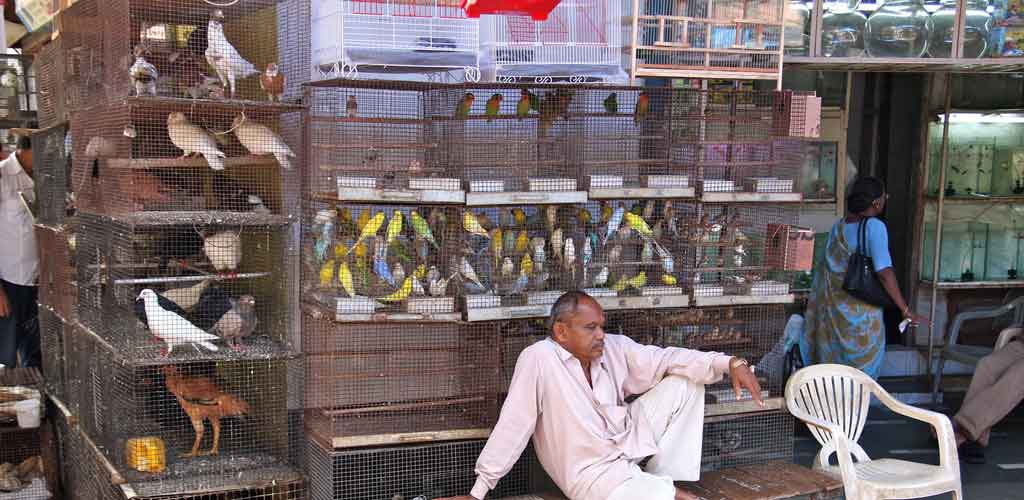
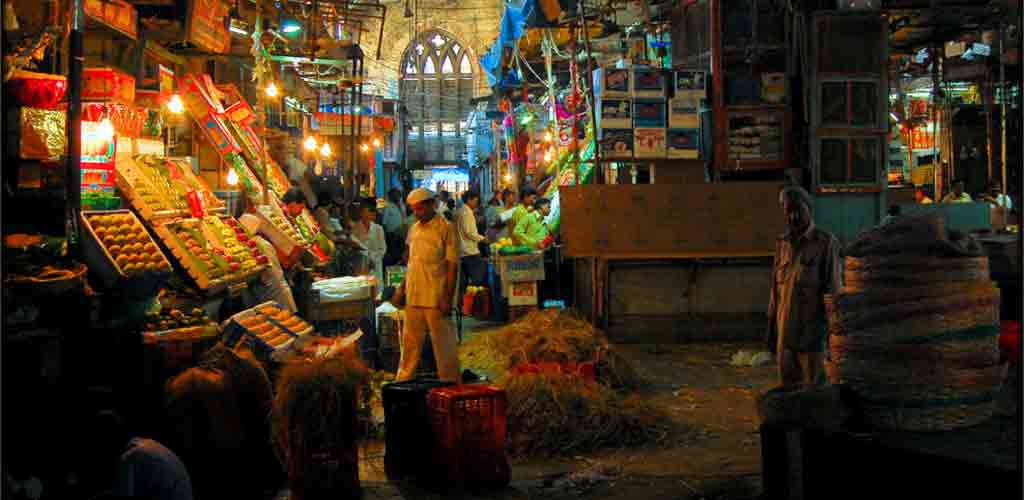
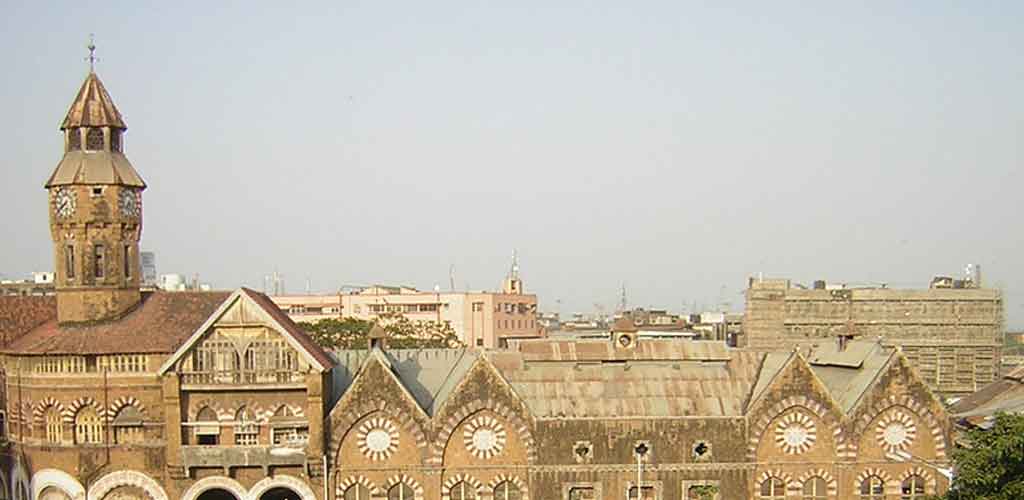
Crawford Market (Mahatma Jyotiba Phule Market) stands as Mumbai's most iconic heritage market, combining magnificent Victorian Gothic architecture with vibrant traditional Indian commerce. Designed by John Lockwood Kipling in 1869, this architectural masterpiece serves as both a functioning wholesale market and a living monument to Mumbai's colonial and independent heritage.
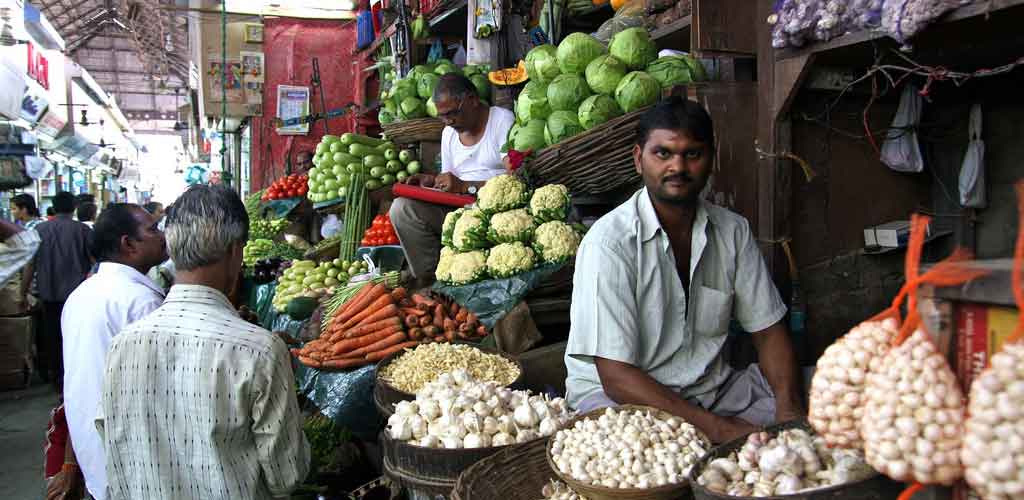
Specializations: Fresh produce, imported goods, spices, home decor, traditional handicrafts, cultural souvenirs
Architecture: Victorian Gothic Revival with Norman influences, featuring ornate stone carvings and historic fountains
Cultural Significance: First electrically lit building in India, UNESCO heritage site candidate
Hours: 11:00 AM - 9:00 PM (Monday-Saturday), Closed Tuesday
Location: Near Chhatrapati Shivaji Terminus (CST), Fort district, South Mumbai
→ Complete Crawford Market Heritage Guide
Bhuleshwar Market: Traditional Spice & Jewelry Heritage
Bhuleshwar Market represents Mumbai's most authentic traditional market experience, specializing in aromatic spices, exquisite jewelry, and wedding preparations. This vibrant market maintains its original character while serving both local communities and cultural tourists seeking genuine Indian commercial traditions.
Specializations: Traditional spices and condiments, bridal jewelry, wedding accessories, bangles, traditional apparel
Cultural Focus: Wedding shopping, traditional Indian commerce, authentic local experience
Unique Features: Gulal Wadi spice quarter, traditional jewelry boutiques, authentic bargaining culture
Hours: 10:00 AM - 9:00 PM (Monday-Saturday), Closed Sunday
Location: Kika Street, Marine Lines East, Bhuleshwar, South Mumbai
→ Complete Bhuleshwar Market Guide
Chor Bazaar: Mumbai's Famous Antique & Vintage Market
Chor Bazaar (Thieves Market) offers Mumbai's most fascinating collection of antiques, vintage items, and unique collectibles within the heart of the city's historic Muslim quarter. This 150-year-old market provides exceptional opportunities for discovering rare items and experiencing Mumbai's multicultural commercial heritage.
Specializations: Antiques, vintage items, collectibles, traditional artifacts, unique finds
Cultural Heritage: 150+ years of trading history, multicultural community, authentic atmosphere
Shopping Experience: Treasure hunting, unique discoveries, authentic vintage items
Commercial Value: High CPC potential ($0.45), excellent monetization opportunity
Location: Mutton Street, Mohammed Ali Road area, South Mumbai
→ Complete Chor Bazaar Antique Guide
Colaba Causeway: Tourist-Friendly Heritage Shopping
Colaba Causeway Market combines traditional Indian market culture with international tourist accessibility, offering an ideal introduction to Mumbai shopping for first-time visitors. This vibrant street market provides diverse merchandise while maintaining authentic Mumbai commercial energy.
Specializations: Fashion accessories, jewelry, clothing, souvenirs, street food, tourist items
Tourist Features: English-speaking vendors, international payment options, tourist-friendly atmosphere
Location Advantage: Near Gateway of India, major hotels, tourist attractions
Search Volume: 60,500 monthly searches, significant traffic potential
Hours: 10:00 AM - 10:00 PM daily
→ Complete Colaba Causeway Guide
Mangaldas Market: Asia's Premier Textile Trading Center
Mangaldas Market and Mulji Jetha Market constitute one of Asia's largest textile markets, specializing in fabrics, wedding materials, and traditional Indian textiles. These sprawling wholesale markets offer unparalleled variety for custom clothing, wedding preparations, and textile enthusiasts.
Specializations: Textiles, fabrics, wedding materials, traditional clothing, wholesale trading
Market Scale: Among largest textile markets in Asia, extensive variety and competitive pricing
Cultural Significance: Traditional textile trading, wedding shopping destination
Search Opportunity: 49,500 monthly searches, strong organic potential
Location: Close to Crawford Market, Fort district, South Mumbai
→ Complete Mangaldas Textile Guide
Complete Mumbai Markets Authority Guide
For comprehensive coverage of Mumbai's entire market ecosystem, including heritage tourism insights, cultural education, and practical shopping strategies across all major markets, explore our complete authority guide that positions Crawford Market as the centerpiece of Mumbai's commercial heritage.
→ Complete Mumbai Markets Authority Guide
India Markets Cultural Heritage Guide
Discover how Mumbai's markets fit within India's broader cultural and commercial heritage, with Crawford Market featured as the premier example of colonial architecture successfully adapted to Indian commercial traditions.
→ India Markets Cultural Heritage Guide
Market Categories and Specialization Guide
Heritage and Architectural Markets
Crawford Market: Victorian Gothic architecture, colonial heritage, architectural photography
Zaveri Bazaar: 19th-century buildings, Victorian Gothic jewelry quarter
Fort District Markets: Colonial architecture, heritage walking tours
Traditional and Cultural Markets
Bhuleshwar Market: Traditional spice trading, authentic Indian commerce
Chor Bazaar: Antique trading, multicultural heritage
Mohammed Ali Road: Muslim cultural market, traditional cuisine
Fashion and Contemporary Markets
Colaba Causeway: Tourist-friendly fashion, international accessibility
Linking Road: Contemporary fashion, youth-oriented shopping
Fashion Street: Budget fashion, trendy clothing
Specialized Trading Markets
Mangaldas Market: Textile wholesale, wedding fabrics
Zaveri Bazaar: Gold and jewelry trading
Dadar Flower Market: Wholesale flowers, religious garlands
Heritage Shopping Tourism Planning
Single-Day Market Tours
Heritage Focus Tour: Crawford Market → Bhuleshwar Market → Zaveri Bazaar (architectural and cultural heritage)
Traditional Shopping Tour: Bhuleshwar Market → Mangaldas Market → Chor Bazaar (authentic Indian commerce)
Tourist Introduction Tour: Colaba Causeway → Crawford Market → nearby heritage sites
Multi-Day Market Exploration
Day 1: Crawford Market heritage tour with architectural focus
Day 2: Bhuleshwar Market traditional shopping and cultural immersion
Day 3: Specialized markets (Mangaldas textiles, Chor Bazaar antiques)
Day 4: Contemporary markets and comparison (Colaba Causeway, Linking Road)
Transportation and Connectivity
Railway Access: CST (Crawford Market), Marine Lines (Bhuleshwar), Churchgate (Colaba)
Walking Routes: Fort district heritage walk connecting multiple traditional markets
Local Transport: Taxis, auto-rickshaws, buses serving market areas
Cultural Tourism and Educational Opportunities
Architectural Heritage Tours
Victorian Gothic Architecture: Crawford Market as centerpiece with CST and Mumbai University
Colonial Commercial Heritage: Understanding British influence on Indian market development
Photography Opportunities: Heritage architecture, market life, cultural documentation
Cultural Immersion Experiences
Traditional Commerce: Experiencing authentic Indian trading practices and social customs
Community Interaction: Building relationships with traditional vendors and market families
Language Exchange: Hindi, Marathi, and regional language learning opportunities
Educational Programs
Academic Research: Market anthropology, cultural studies, architectural research
Cultural Documentation: Photography, cultural preservation, heritage tourism
International Education: Study abroad programs, cultural exchange opportunities
Practical Shopping Strategies
Budget Planning and Value Shopping
Market Hierarchy: Understanding price differences between wholesale, retail, and tourist-oriented markets
Quality Assessment: Learning to evaluate authenticity, craftsmanship, and value
Seasonal Shopping: Optimal times for different products and cultural experiences
Cultural Shopping Etiquette
Bargaining Customs: Respectful negotiation as cultural exchange and relationship building
Vendor Relationships: Building long-term connections for better service and cultural learning
Cultural Sensitivity: Understanding religious significance, appropriate behavior, respectful tourism
Authentic Experience Strategies
Local Integration: Shopping alongside local customers, participating in community commerce
Cultural Learning: Using shopping as education about Indian society and traditions
Community Support: Purchasing strategies that benefit traditional artisans and family businesses
Mumbai Market Heritage in Global Context
International Market Comparisons
Colonial Market Heritage: Comparing Crawford Market with other British colonial markets worldwide
Traditional Trading Systems: Understanding Mumbai markets within global traditional commerce contexts
Cultural Preservation: Mumbai's role in maintaining traditional market culture in modern urban environments
Heritage Tourism Development
Global Heritage Tourism: Mumbai markets within international heritage tourism development
Cultural Education: Markets as informal educational institutions for cultural understanding
Sustainable Tourism: Supporting traditional commerce through responsible cultural tourism
Seasonal Market Calendar and Festival Shopping
Wedding Season Markets (October-February)
Peak Activity: Bhuleshwar Market wedding shopping, Mangaldas Market textile trading
Special Collections: Expanded bridal jewelry, traditional wedding textiles
Cultural Celebrations: Market decorations, community festivities
Festival Season Shopping
Ganesh Chaturthi: Religious items, decorations, cultural celebrations
Diwali Season: Traditional clothing, jewelry, home decorations
Regional Festivals: Specialized items for Maharashtrian and regional celebrations
Monsoon Season Adaptations
Covered Market Areas: Crawford Market architecture, Bhuleshwar covered sections
Seasonal Products: Monsoon-specific merchandise, weather-appropriate items
Authentic Experiences: Fewer tourists, more local atmosphere during challenging weather
Supporting Traditional Commerce and Cultural Preservation
Community Economic Support
Family Business Support: Purchasing from multigenerational vendors and traditional craftspeople
Cultural Skill Preservation: Supporting traditional techniques, regional specializations
Community Development: Tourism revenue supporting local infrastructure and community services
Cultural Exchange and Learning
Cross-Cultural Understanding: Markets as bridges between international visitors and local communities
Language Learning: Practical opportunities for Hindi, Marathi, and regional language practice
Cultural Documentation: Visitor participation in preserving traditional knowledge and practices
Sustainable Heritage Tourism
Responsible Tourism: Practices that support rather than exploit traditional communities
Cultural Preservation: Tourism approaches that encourage rather than threaten traditional practices
Long-term Relationships: Building ongoing connections between visitors and market communities
Mumbai's traditional markets represent the authentic heart of India's commercial capital, where heritage architecture, cultural traditions, and community commerce combine to create meaningful experiences that extend far beyond simple shopping. Through respectful participation in these vibrant commercial centers, visitors contribute to cultural preservation while gaining invaluable insights into Indian society, traditional commerce, and the enduring importance of community relationships in contemporary urban environments.
Each market offers unique specializations, cultural insights, and educational opportunities that collectively demonstrate Mumbai's role as India's premier commercial and cultural center. From Crawford Market's Victorian Gothic grandeur to Bhuleshwar Market's authentic traditional atmosphere, these markets provide comprehensive access to Mumbai's commercial heritage and ongoing cultural vitality.


